Al Hammadi Hospital Mobile App Experience

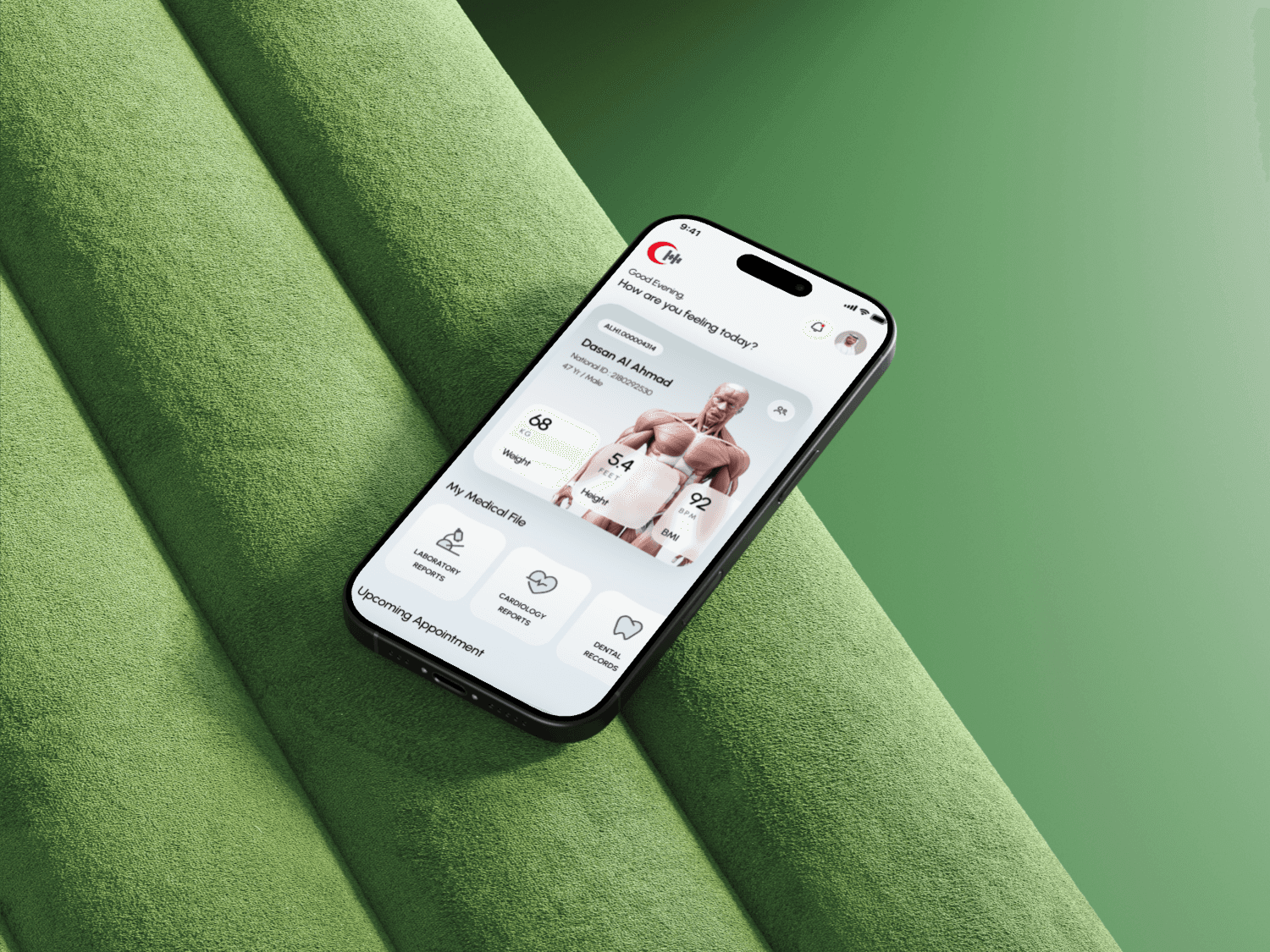
Designed a patient-centric mobile application for a large healthcare organisation, focused on simplifying appointment booking, medical record access, and digital touchpoints across the patient journey.
Project Image

Enterprise UX

Enterprise UX

Mobile App Design

Mobile App Design

Project Image

Enterprise UX

Mobile App Design

Overview

Al Hammadi Hospital is a leading healthcare provider in the Middle East, serving a diverse patient base across multiple specialities. The organisation aimed to enhance its digital presence by creating a mobile application that could streamline patient interactions while meeting enterprise-level requirements for security, accessibility, and scalability.

Patternpop partnered with the client to design a mobile-first experience that balances usability, trust, and operational complexity—ensuring the platform works seamlessly for both patients and internal teams.

Client

Al Hammadi Hospital

Industry

Personal Branding

Duration

12 Weeks

Year

2025

The project focused on designing a scalable mobile experience that simplifies complex healthcare workflows while maintaining clarity, trust, and compliance. We worked closely with stakeholders to understand patient needs, operational constraints, and regulatory considerations before translating insights into structured user flows and intuitive interfaces.
01
Challenge

The hospital’s existing digital touchpoints were fragmented, requiring patients to navigate multiple systems for appointments, records, and communication. This led to friction, reduced engagement, and increased dependency on offline processes. The challenge was to design a unified mobile experience that could simplify healthcare interactions while supporting complex backend systems and strict data privacy requirements.

01
Challenge

The hospital’s existing digital touchpoints were fragmented, requiring patients to navigate multiple systems for appointments, records, and communication. This led to friction, reduced engagement, and increased dependency on offline processes. The challenge was to design a unified mobile experience that could simplify healthcare interactions while supporting complex backend systems and strict data privacy requirements.

01
Challenge

The hospital’s existing digital touchpoints were fragmented, requiring patients to navigate multiple systems for appointments, records, and communication. This led to friction, reduced engagement, and increased dependency on offline processes. The challenge was to design a unified mobile experience that could simplify healthcare interactions while supporting complex backend systems and strict data privacy requirements.

02
Solution

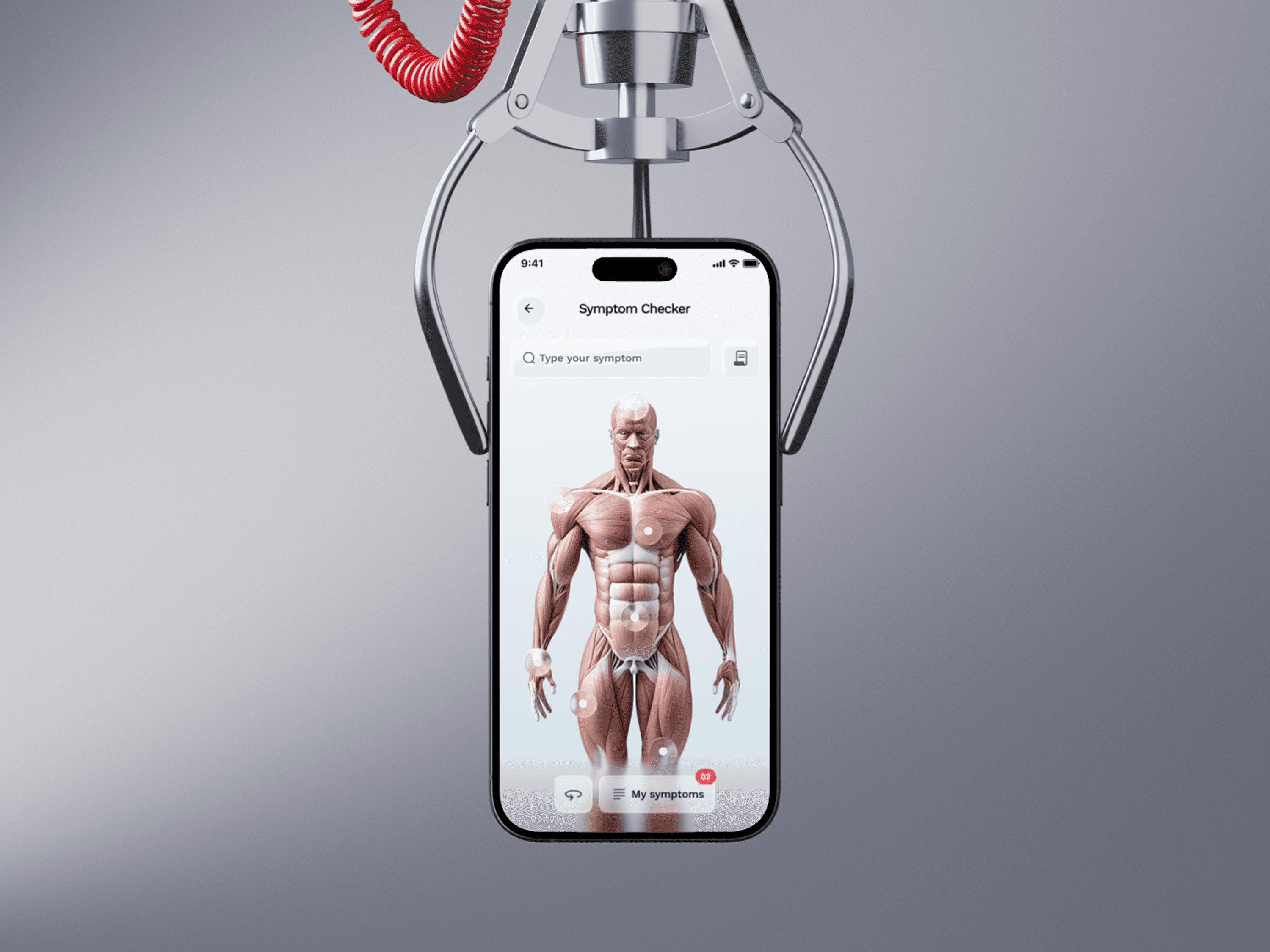
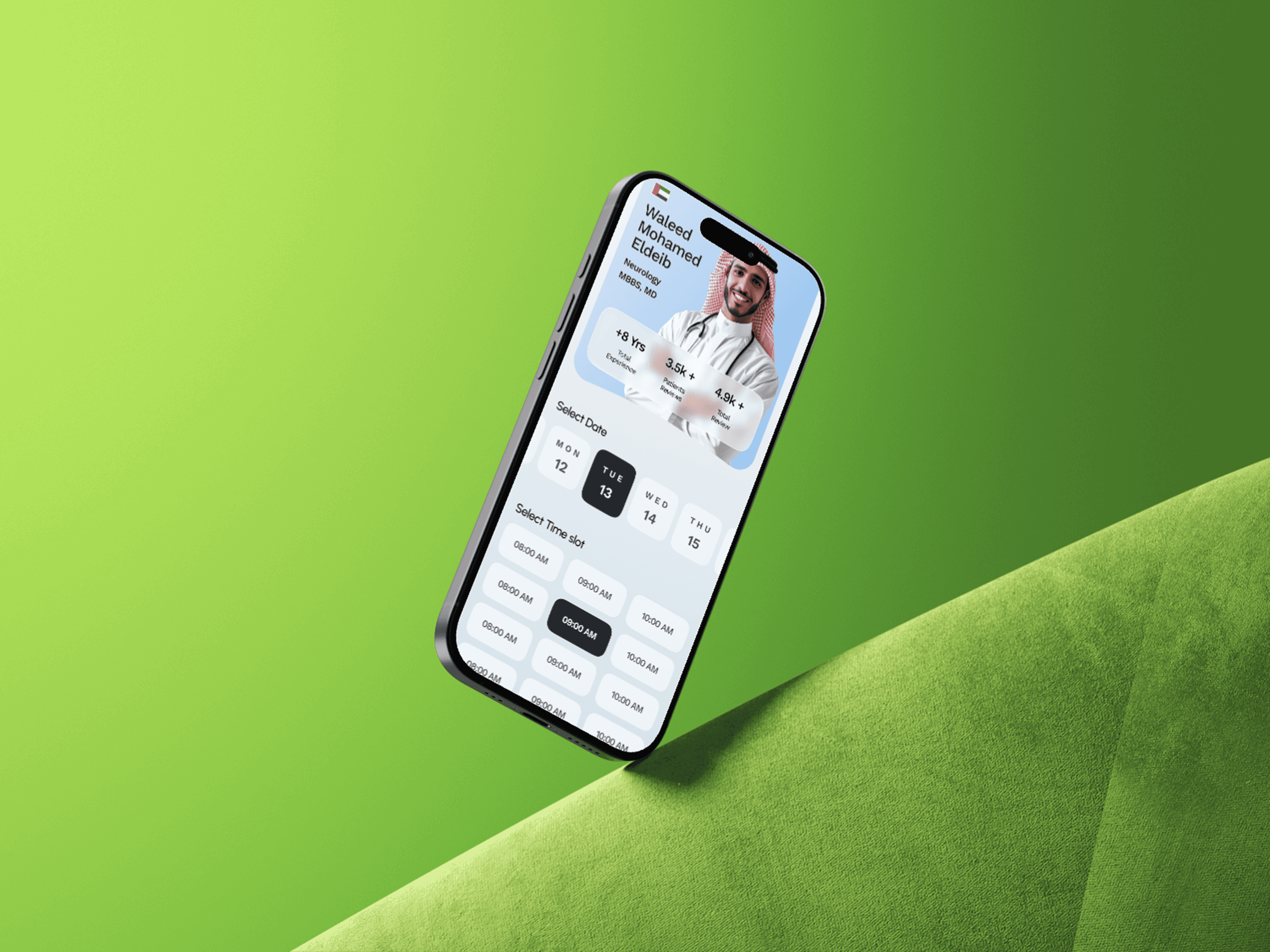
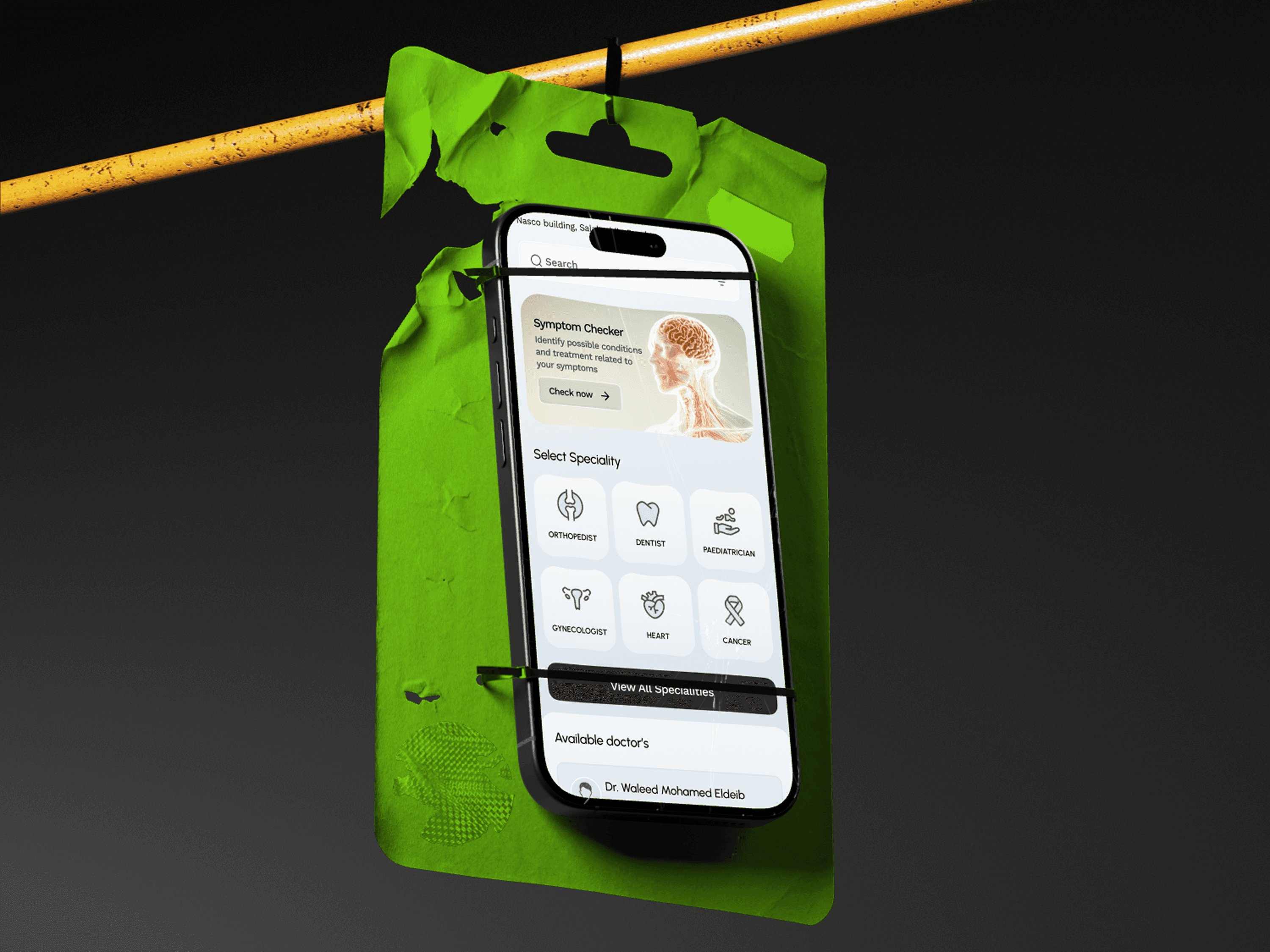
We designed a mobile-first UX focused on clarity and ease of use, mapping critical patient journeys such as appointment scheduling, doctor discovery, and medical record access. Information architecture was simplified, visual hierarchy was strengthened, and interaction patterns were designed to feel familiar and reassuring. A scalable UI system was created to ensure consistency across modules while allowing future expansion as hospital services evolve.

02
Solution

We designed a mobile-first UX focused on clarity and ease of use, mapping critical patient journeys such as appointment scheduling, doctor discovery, and medical record access. Information architecture was simplified, visual hierarchy was strengthened, and interaction patterns were designed to feel familiar and reassuring. A scalable UI system was created to ensure consistency across modules while allowing future expansion as hospital services evolve.

02
Solution

We designed a mobile-first UX focused on clarity and ease of use, mapping critical patient journeys such as appointment scheduling, doctor discovery, and medical record access. Information architecture was simplified, visual hierarchy was strengthened, and interaction patterns were designed to feel familiar and reassuring. A scalable UI system was created to ensure consistency across modules while allowing future expansion as hospital services evolve.

03
Result

The redesigned mobile experience delivered a clear, accessible platform that reduced friction across key patient workflows. The app enabled faster task completion, improved usability, and provided a strong foundation for future digital initiatives within the hospital ecosystem.

03
Result

The redesigned mobile experience delivered a clear, accessible platform that reduced friction across key patient workflows. The app enabled faster task completion, improved usability, and provided a strong foundation for future digital initiatives within the hospital ecosystem.

03
Result

The redesigned mobile experience delivered a clear, accessible platform that reduced friction across key patient workflows. The app enabled faster task completion, improved usability, and provided a strong foundation for future digital initiatives within the hospital ecosystem.

Project Image
Project Image
Project Image
Project Image
Project Image
Project Image
Project Image
Project Image
Project Image
Result

The final mobile application established a reliable and patient-friendly digital interface for Al Hammadi Hospital. By simplifying complex healthcare interactions into clear, intuitive flows, the platform improved overall user confidence and supported the hospital’s broader digital transformation goals.

Impact:

• Improved clarity and usability across core patient journeys
• Reduced dependency on manual and offline processes
• Created a scalable design foundation for future healthcare services
• Strengthened digital trust for a large, diverse patient base