IQVIA HCP Space Mobile UX & Product Design

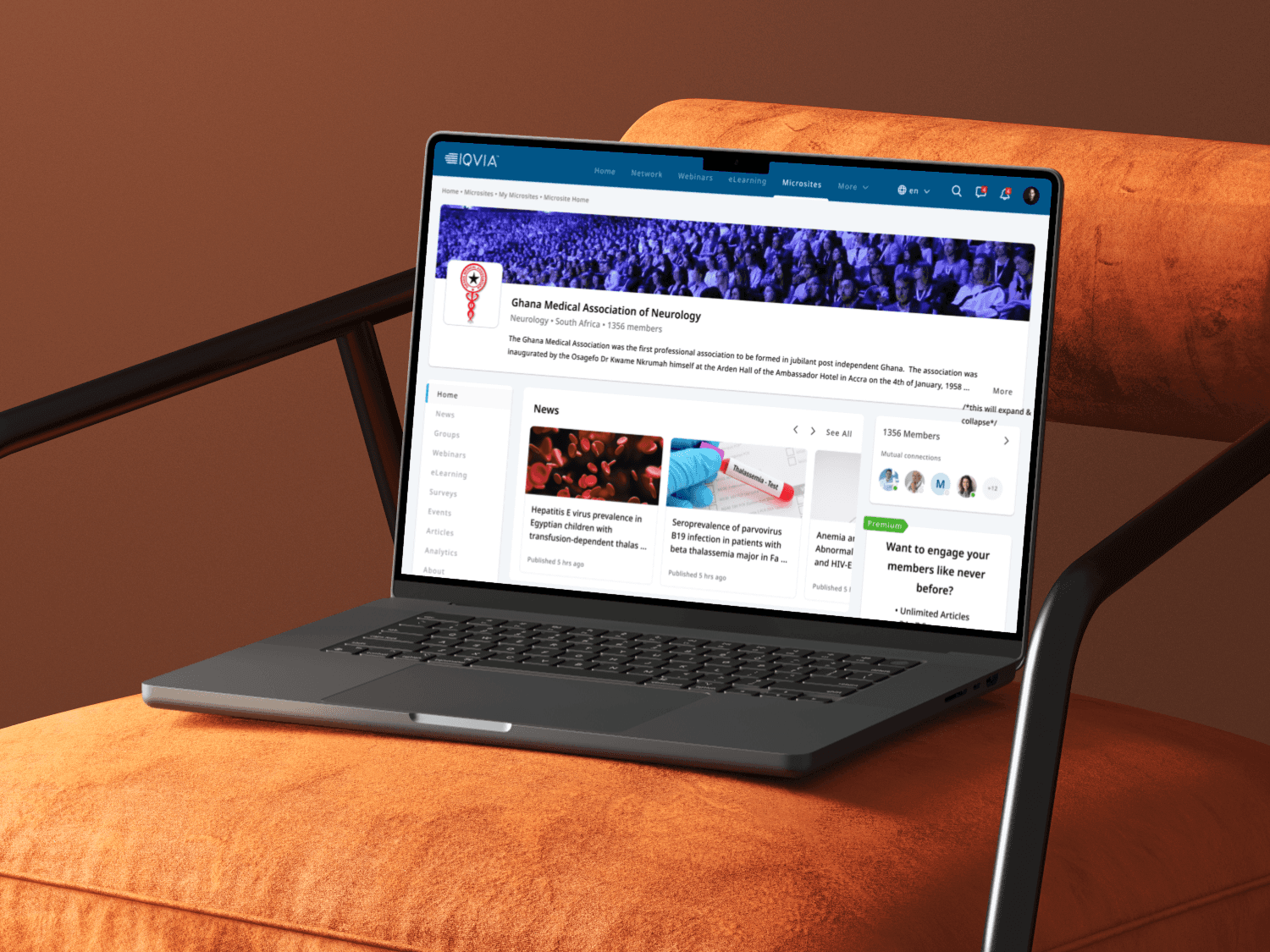
Designed the UX and interface for IQVIA’s HCP Space — a mobile platform empowering healthcare professionals with streamlined access to medical content, insights, and tools.
Project Image

Healthcare UX

Healthcare UX

Mobile Product Design

Mobile Product Design

Project Image

Healthcare UX

Mobile Product Design

Overview

IQVIA’s HCP Space is a mobile application created to support healthcare professionals by consolidating clinical content, tools, and updates into a single, accessible platform. The goal was to design an intuitive and efficient mobile experience that supports medical workflows and helps clinicians stay informed while on the go.

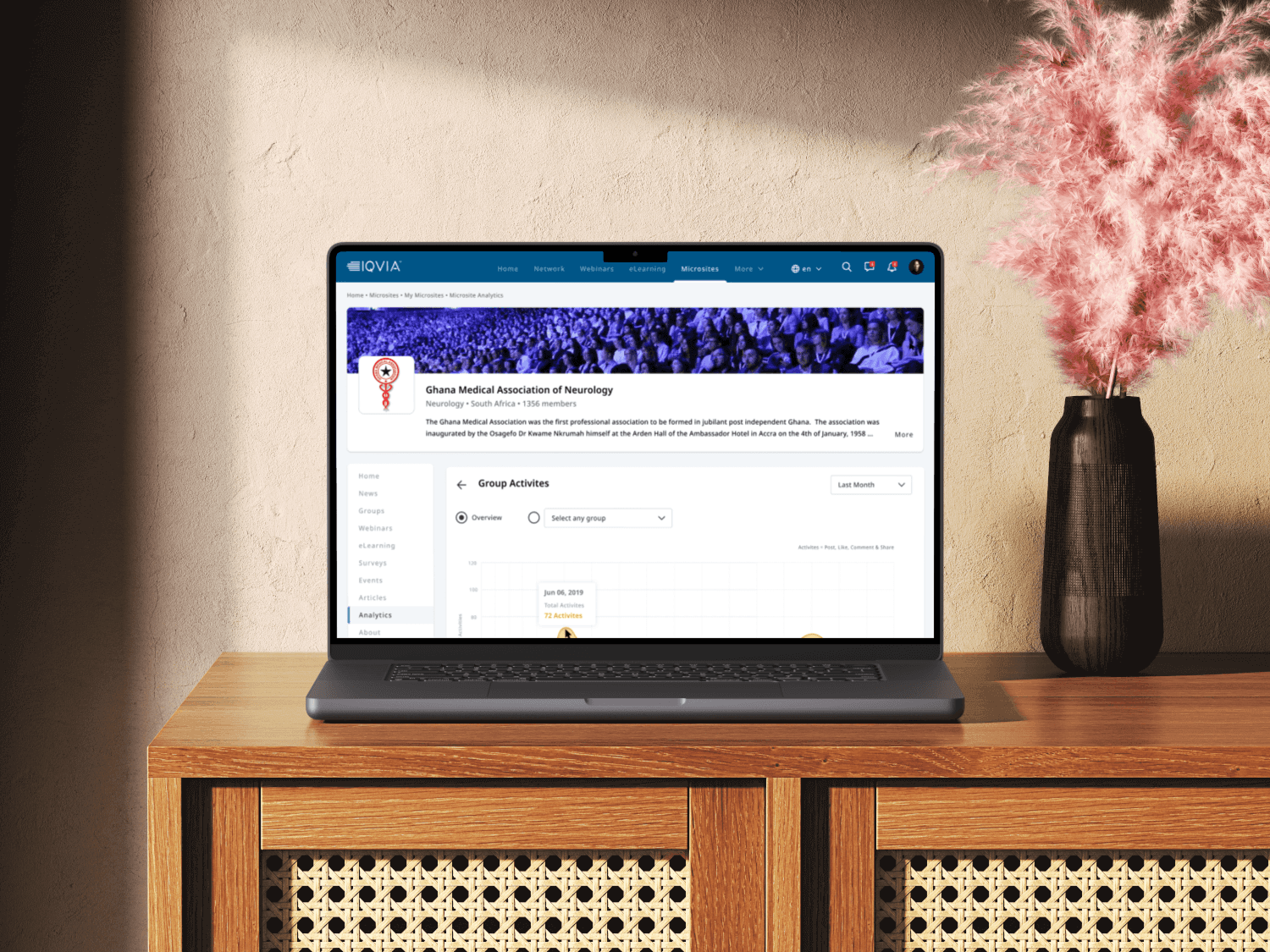
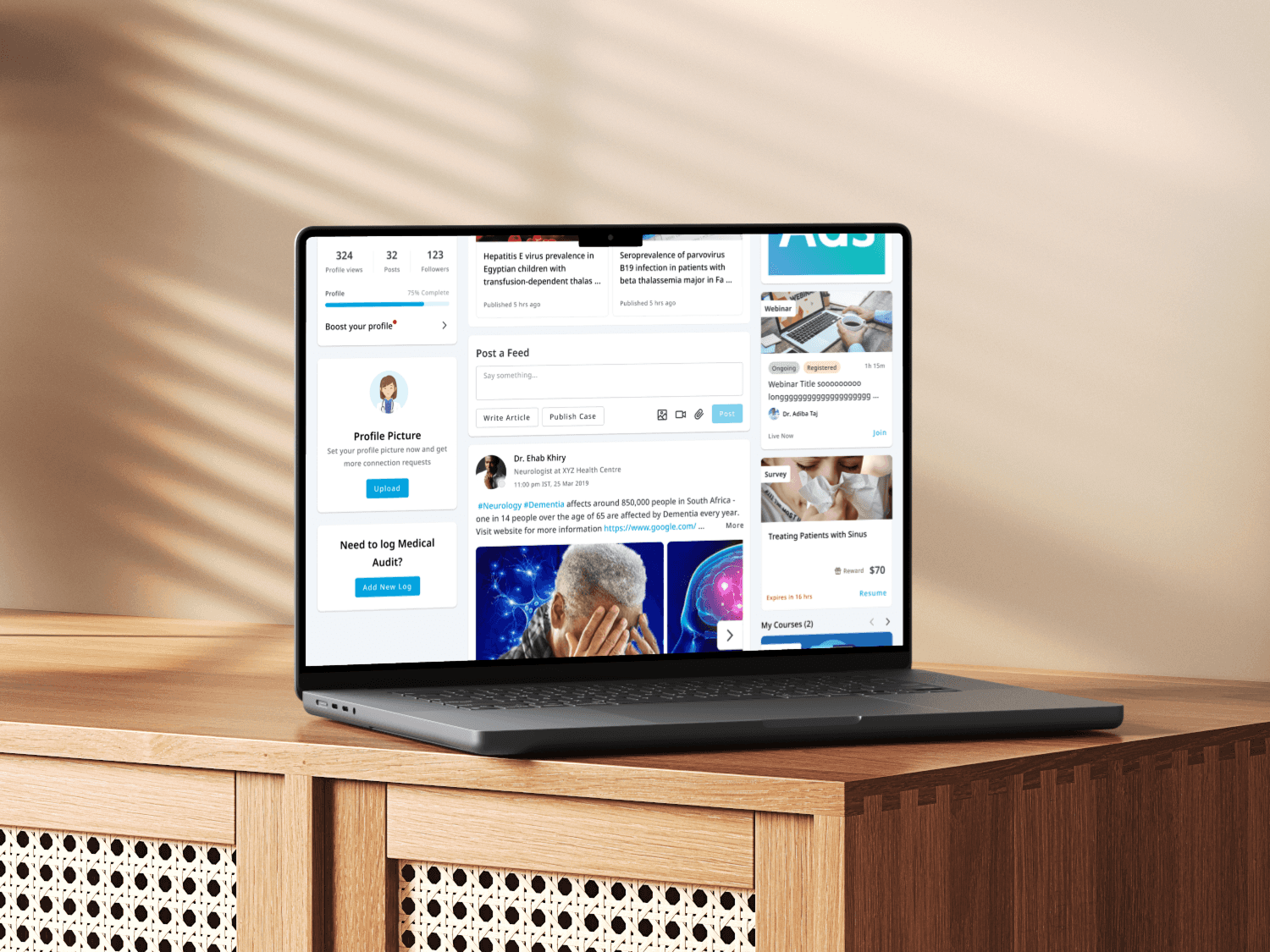
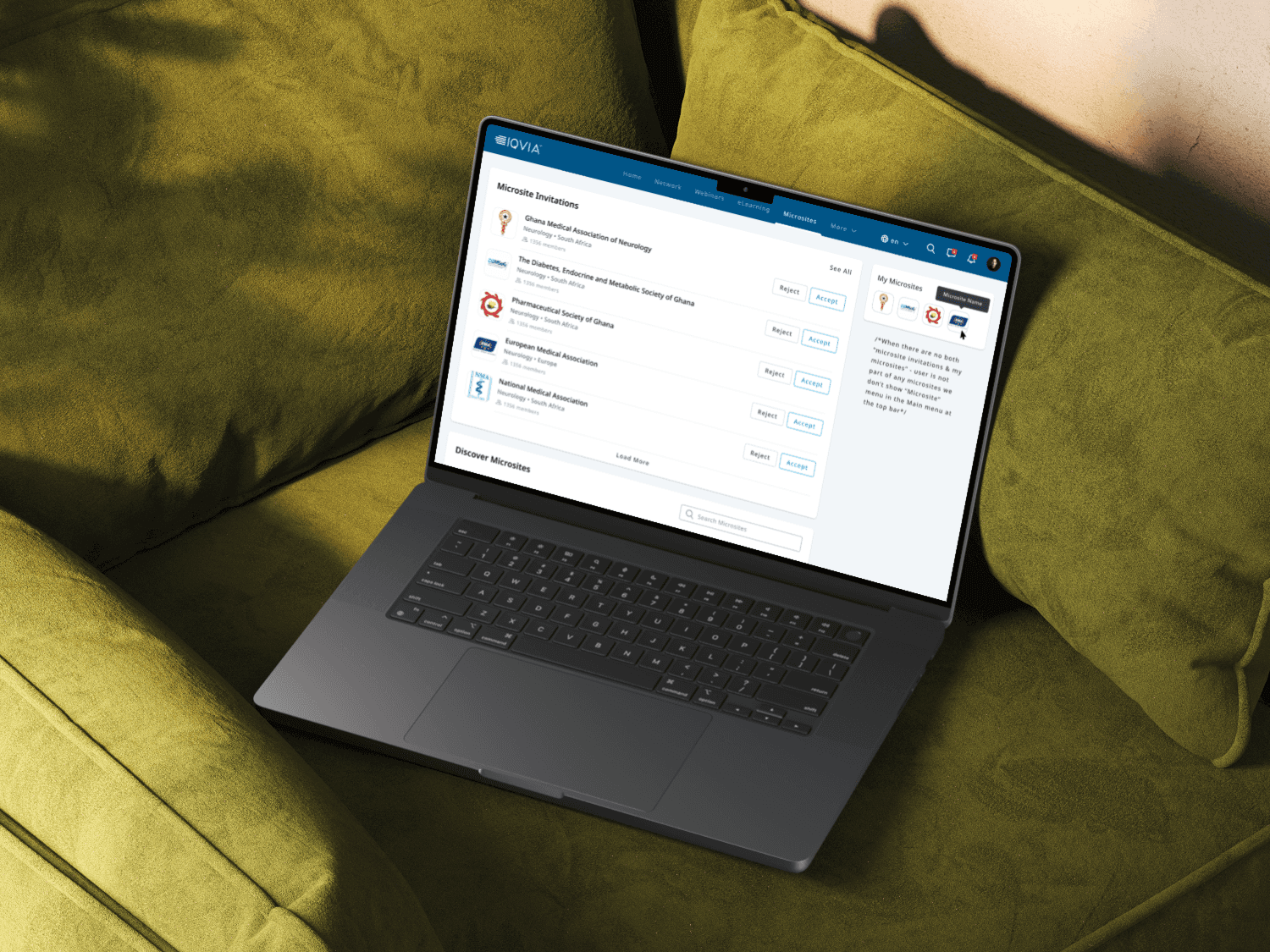
Patternpop collaborated with IQVIA to define user flows, information architecture, and mobile UX for core tasks such as content discovery, personalised insights, and professional interaction features. The focus was on clarity, quick access to relevant information, and a consistent design system aligned with enterprise UX standards.


Client

IQVIA

Industry

Personal Branding

Duration

12 Weeks

Year

2018–2019

Work Process

The project involved understanding the needs of healthcare professionals, synthesising clinical content requirements, and shaping mobile UI/UX that reduces friction in critical workflows. We collaborated closely with IQVIA product and clinical teams to prioritise user tasks and ensure usability across scenarios where time and accuracy matter.
01
Challenge

Healthcare professionals operate under time constraints and cognitive load, making it essential that critical information and tools are accessible quickly and reliably. The challenge was to design a mobile experience that supports fast navigation, intuitive content discovery, and efficient access to personalised tools and resources without overwhelming the user.

01
Challenge

Healthcare professionals operate under time constraints and cognitive load, making it essential that critical information and tools are accessible quickly and reliably. The challenge was to design a mobile experience that supports fast navigation, intuitive content discovery, and efficient access to personalised tools and resources without overwhelming the user.

01
Challenge

Healthcare professionals operate under time constraints and cognitive load, making it essential that critical information and tools are accessible quickly and reliably. The challenge was to design a mobile experience that supports fast navigation, intuitive content discovery, and efficient access to personalised tools and resources without overwhelming the user.

02
Solution

We designed a mobile UX that emphasises clear navigation, prioritised content hierarchy, and contextual access to key tools. This involved structuring content categories with a predictable flow, creating reusable UI patterns for consistency, and optimising interface elements for mobile touch interactions. Iterative prototyping and usability testing helped refine interactions and ensured that users could complete tasks with minimal friction. The interface system was built to scale with expanding medical content and feature sets.

02
Solution

We designed a mobile UX that emphasises clear navigation, prioritised content hierarchy, and contextual access to key tools. This involved structuring content categories with a predictable flow, creating reusable UI patterns for consistency, and optimising interface elements for mobile touch interactions. Iterative prototyping and usability testing helped refine interactions and ensured that users could complete tasks with minimal friction. The interface system was built to scale with expanding medical content and feature sets.

02
Solution

We designed a mobile UX that emphasises clear navigation, prioritised content hierarchy, and contextual access to key tools. This involved structuring content categories with a predictable flow, creating reusable UI patterns for consistency, and optimising interface elements for mobile touch interactions. Iterative prototyping and usability testing helped refine interactions and ensured that users could complete tasks with minimal friction. The interface system was built to scale with expanding medical content and feature sets.

03
Result

The final mobile UX provided healthcare professionals with a cohesive, user-friendly platform for accessing insights, tools, and personalised content. By prioritising key workflows and minimising cognitive overhead, the design supported a more efficient daily experience for busy clinicians.

03
Result

The final mobile UX provided healthcare professionals with a cohesive, user-friendly platform for accessing insights, tools, and personalised content. By prioritising key workflows and minimising cognitive overhead, the design supported a more efficient daily experience for busy clinicians.

03
Result

The final mobile UX provided healthcare professionals with a cohesive, user-friendly platform for accessing insights, tools, and personalised content. By prioritising key workflows and minimising cognitive overhead, the design supported a more efficient daily experience for busy clinicians.

Project Image
Project Image
Project Image
Project Image
Project Image
Project Image
Project Image
Project Image
Project Image
Final Outcome

The redesigned UX enabled a clear, structured mobile experience tailored to the workflows of healthcare professionals. With thoughtful navigation and content prioritisation, the platform supported easier discovery of clinical content and smoother access to medical tools.

Impact

• Improved clarity in navigation for complex clinical content

• Streamlined access to professional tools and insights

• Consistent mobile UX aligned with enterprise expectations

• Design foundations that scale with expanding features